" height="25.7148648584705px" id="t5jF0BbPP" transform="translate(0.5 0)" width="99.54199688720703px"/><path d="M 2.456 20.702 C 0.974 20.702 0 21.64 0 23.196 C 0 24.751 0.978 25.693 2.57 25.693 C 4.052 25.693 5.026 24.719 5.026 23.196 C 5.026 21.672 4.048 20.702 2.456 20.702 Z M 97.43 0 C 95.944 0 94.974 0.942 94.974 2.498 C 94.974 4.054 95.952 4.996 97.544 4.996 C 99.026 4.996 100 4.017 100 2.498 C 100 0.979 99.018 0 97.43 0 Z" fill="rgb(122, 0, 230)" height="25.69299966430664px" id="TRA1eA6uv" transform="translate(0 0)" width="99.9999990234375px"/></svg>)
GenAI-Powered Tools at Scale
The content in this case study contains confidential information belonging to Sanofi. By accessing this page, you agree not to copy, distribute, publish, or publicly share any of the materials presented.
My role
Product Designer - Freelance
Timeline
Q1 2024- Q4 2024
Company stage
Enterprise
Team
Spread across 5 Product Teams
Context
Sanofi, a global leader in pharmaceuticals and healthcare, began leveraging AI to streamline internal workflows and unlock efficiency at scale. This initiative marked a shift toward building digital products that empower experts to focus on higher-impact work.
Problems
Medical writers were spending excessive time gathering and making sense of information from multiple data sources to produce complex, lengthy, highly regulated documents. This manual effort slowed down the creation of first drafts and delayed time to market for critical regulatory submissions.
Outdated ways of working
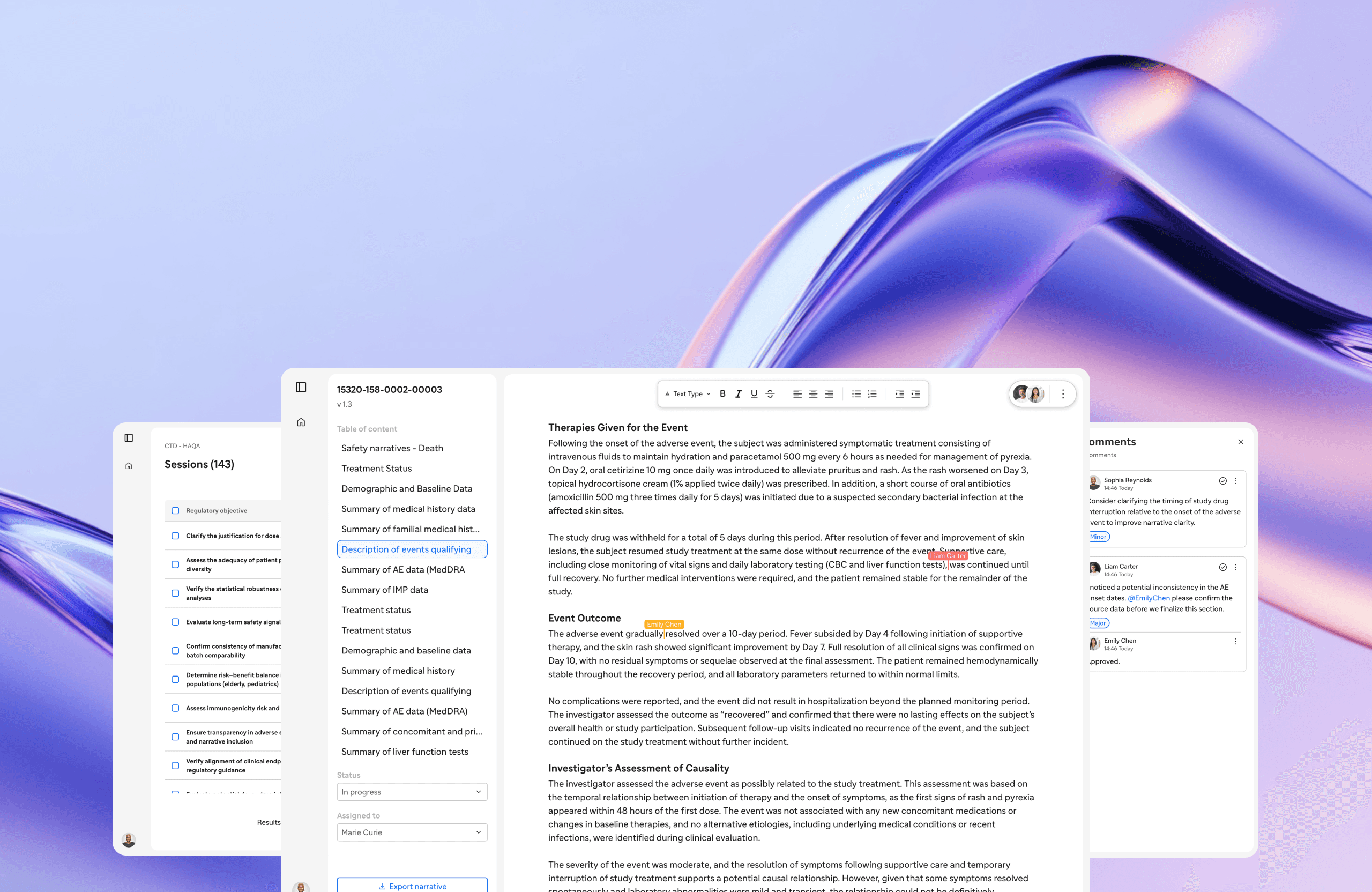
Medical writers relied on Word files, with no versioning or collaboration features. This made creating first drafts slow and led to inconsistent structure, even for highly regulated documents.
Missed business opportunities
Slow workflows significantly delayed time to market. The shortest documents took 150-300 hours to write, while the longest required 800-1500 hours, impacting efficiency and business outcomes.
Opportunity
How might we design intuitive AI tools that help medical writers create first drafts efficiently while building scalable systems across multiple projects?
Goals
Enable Intuitive Tools
Giving medical writers AI-powered tools to generate first drafts efficiently removes friction from complex workflows. By making the experience simple and approachable, writers can focus on high-value work and move faster with confidence.
Build Scalable Patterns
Developing modular design systems and cross-product patterns creates reusable, consistent solutions across AI products. This accelerates project launches, reduces duplicated effort, and ensures design quality while supporting future initiatives at scale.
Custom tools within a broad system
Design for now and the unknown
Each feature was designed to solve a product’s immediate needs while anticipating how it might be used in other AI projects down the line. I also accounted for the fact that some future needs couldn’t be predicted, so I kept solutions flexible enough to be adapted without major rework. This approach ensured that design work had a longer lifespan and could bring value beyond its original scope.
Validate and ensure adoption
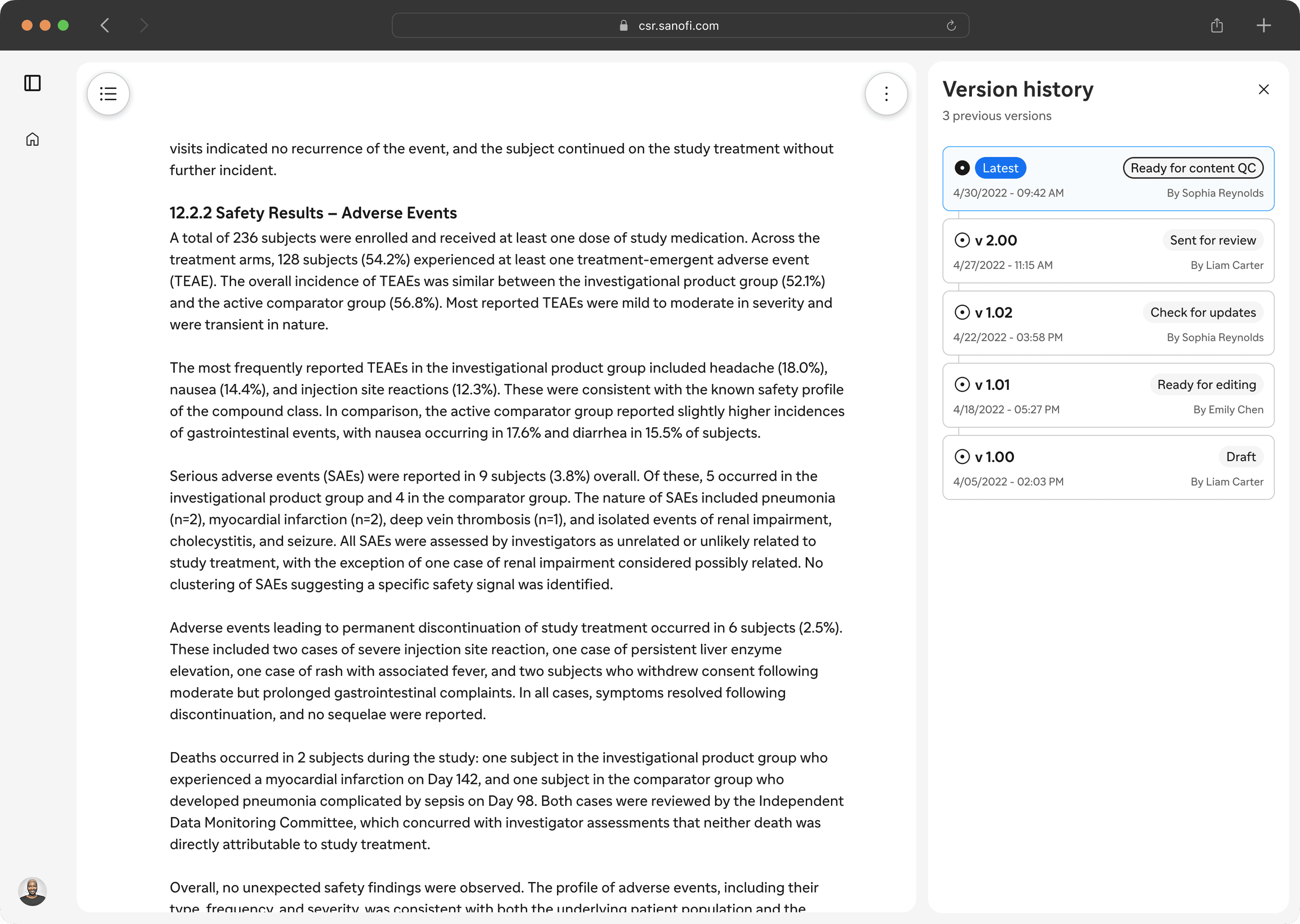
Every other week, I tested designs with power users to confirm they solved actual workflow challenges, rather than just the perceived needs presented by product owners. These sessions also served to check that the tools were intuitive enough for all medical writers to use without training, ensuring adoption across varying levels of technical comfort. This helped prevent friction and guaranteed that the products would fit seamlessly into existing workflows.
Align with business stakeholders
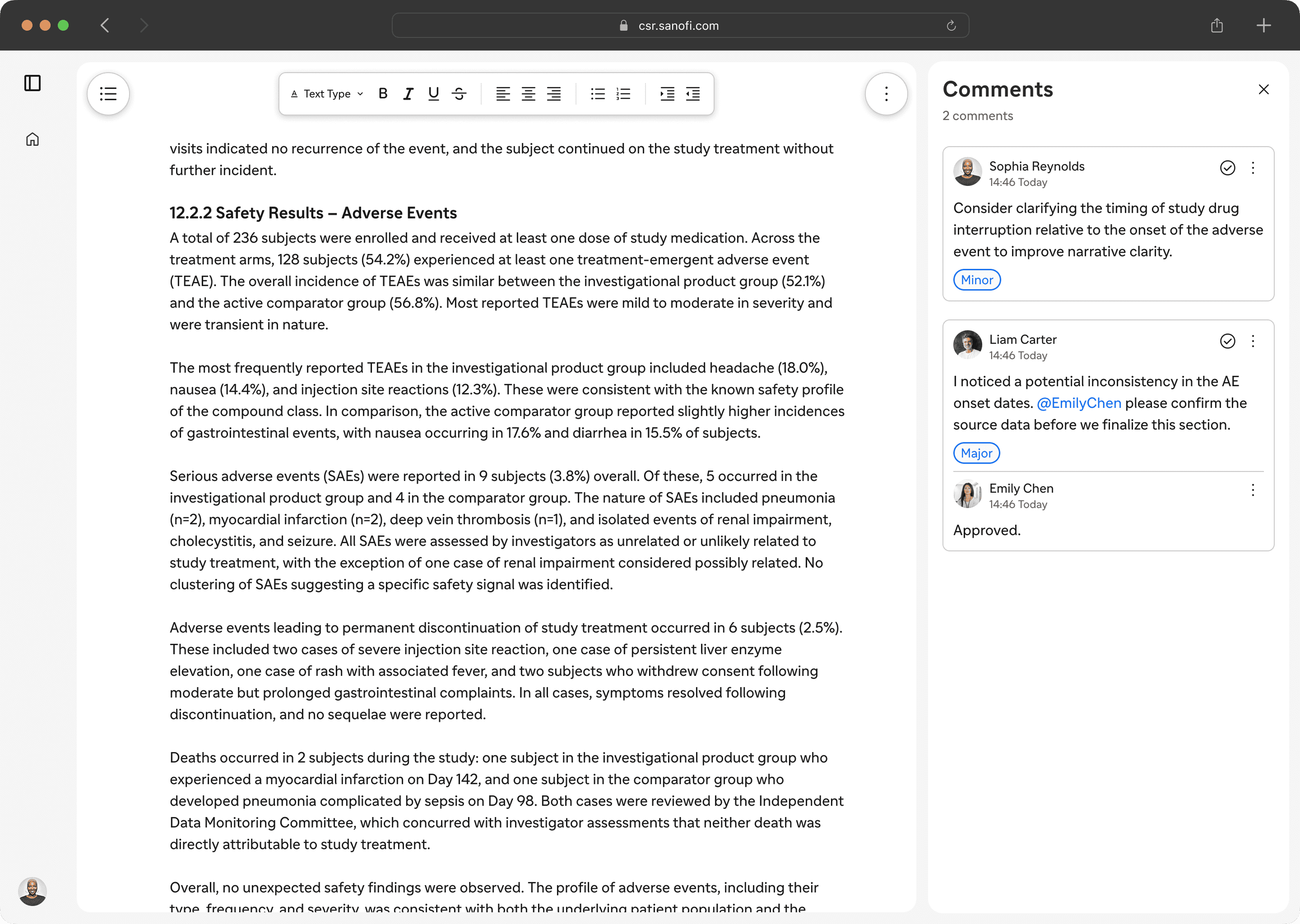
When designs reached a mature stage, I presented them during testing cycles to secure early sign-off from business stakeholders. This alignment reduced the risk of last-minute changes, kept delivery timelines on track, and built confidence that what we were delivering met both user and business expectations.
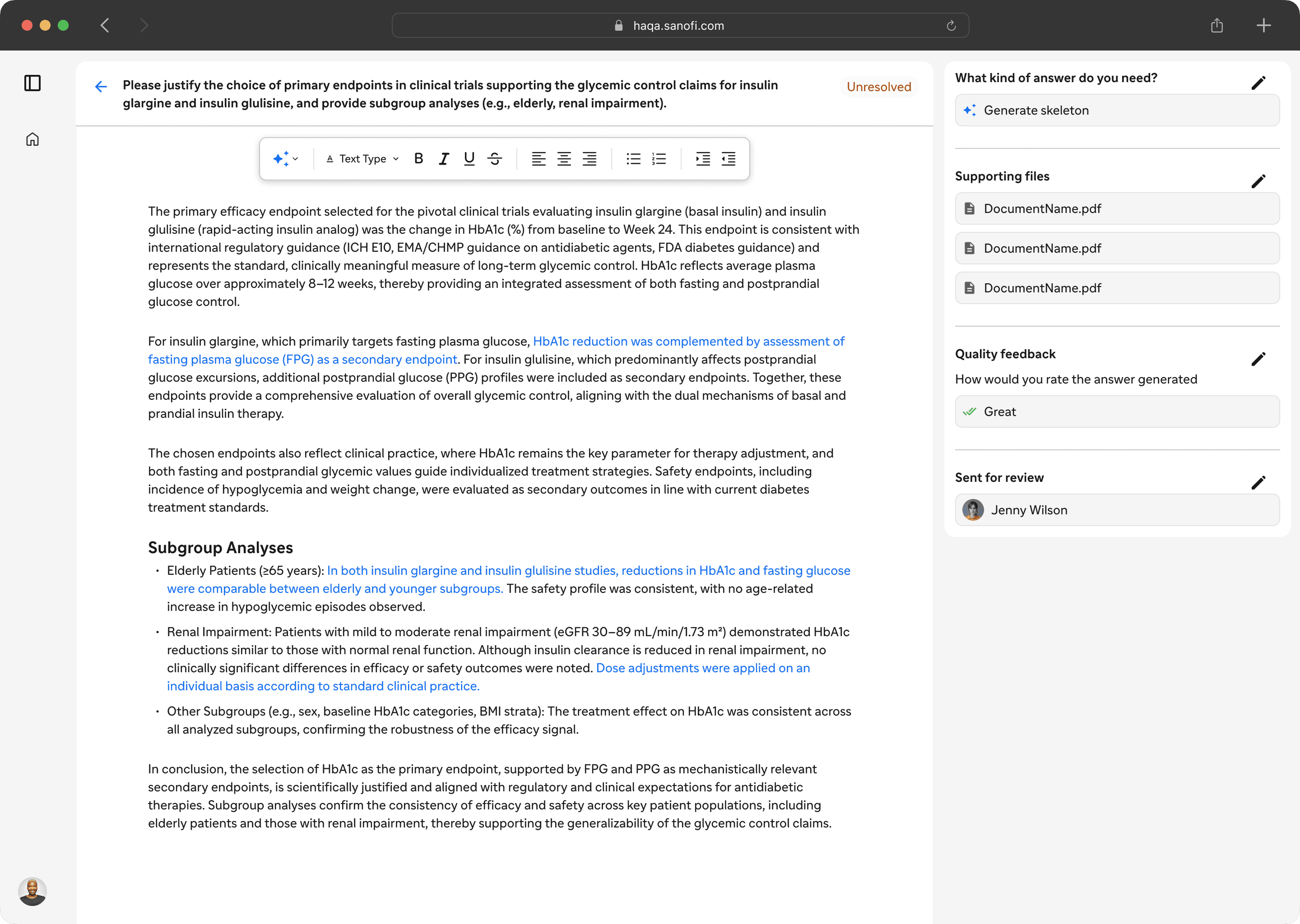
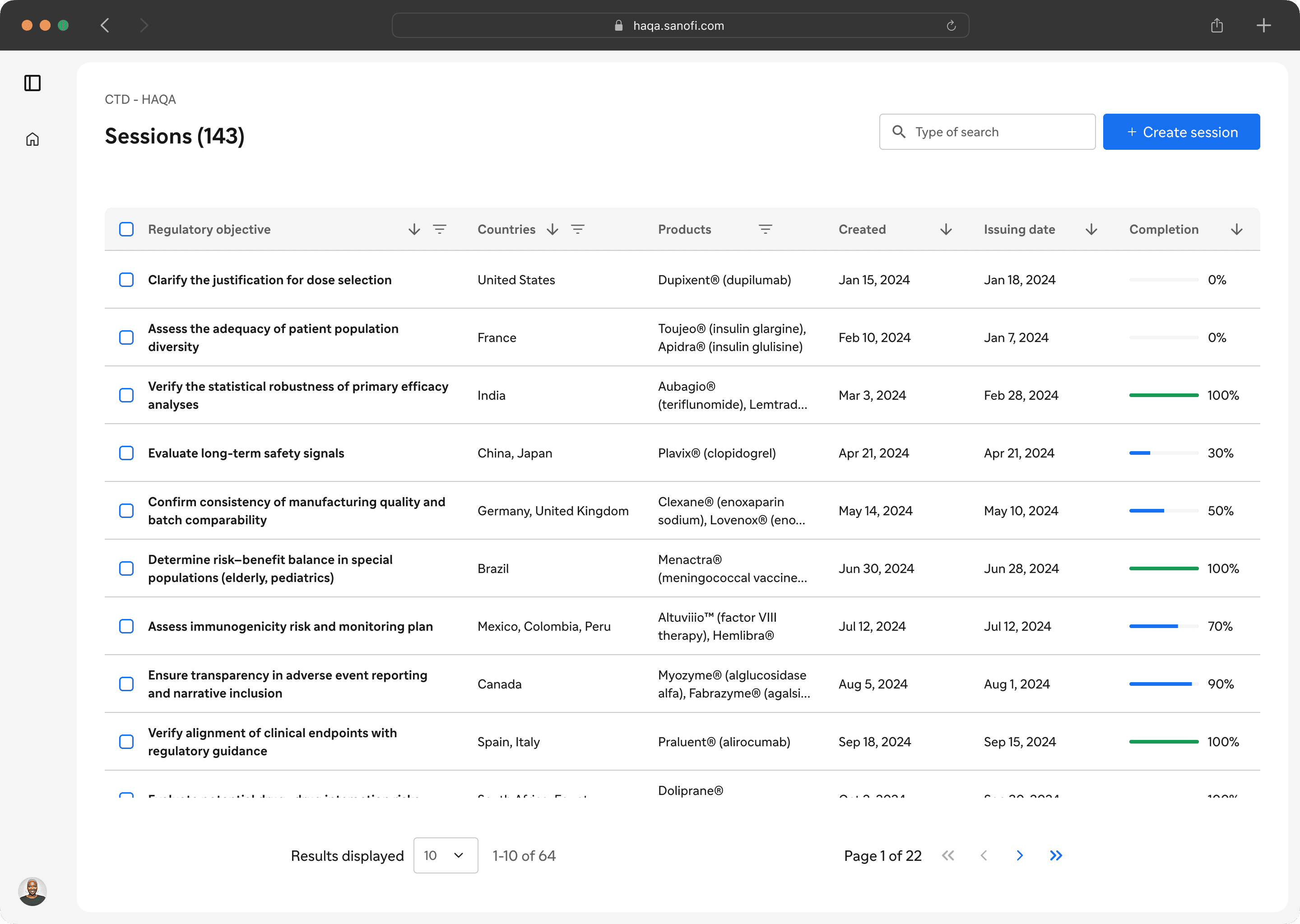
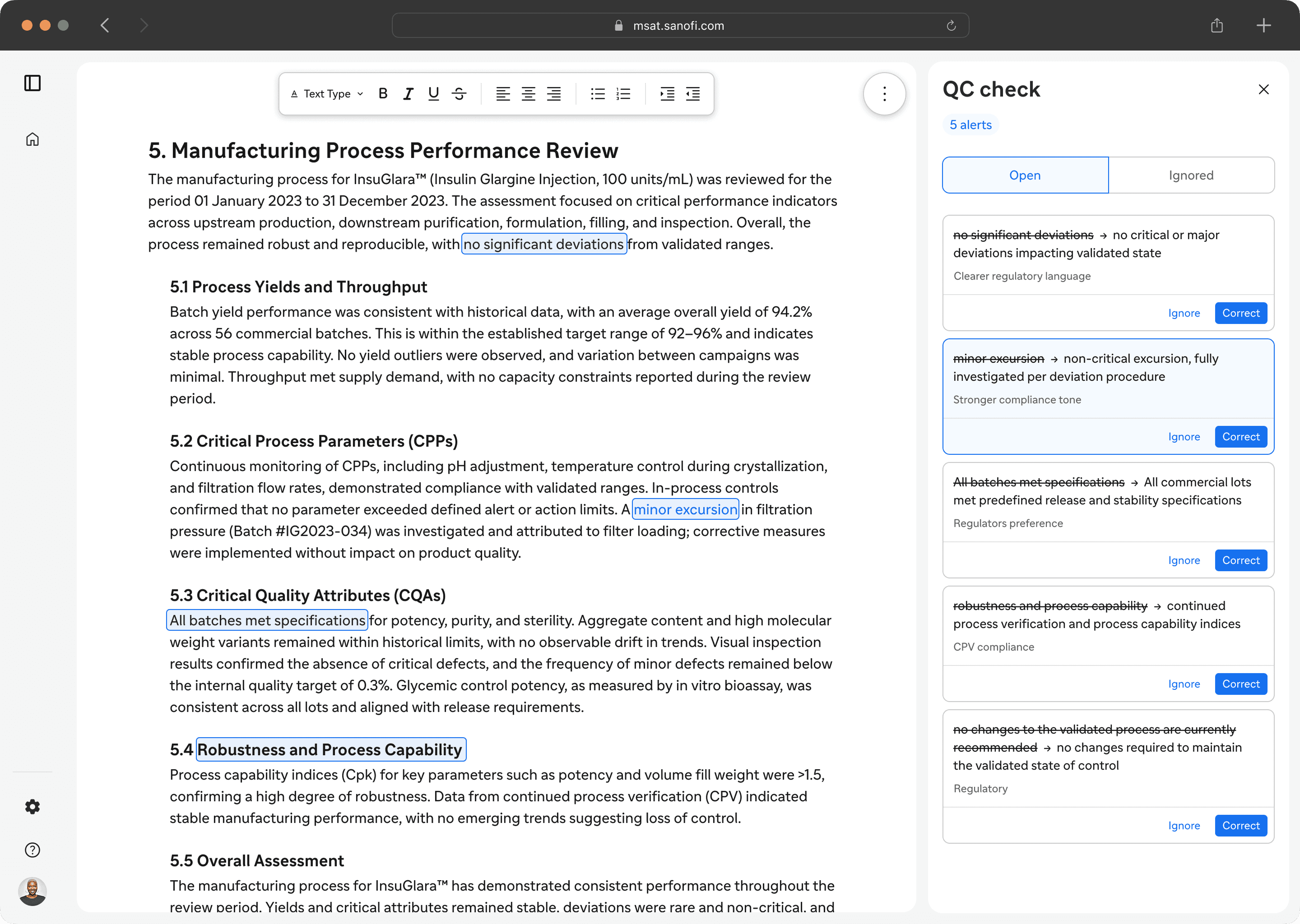
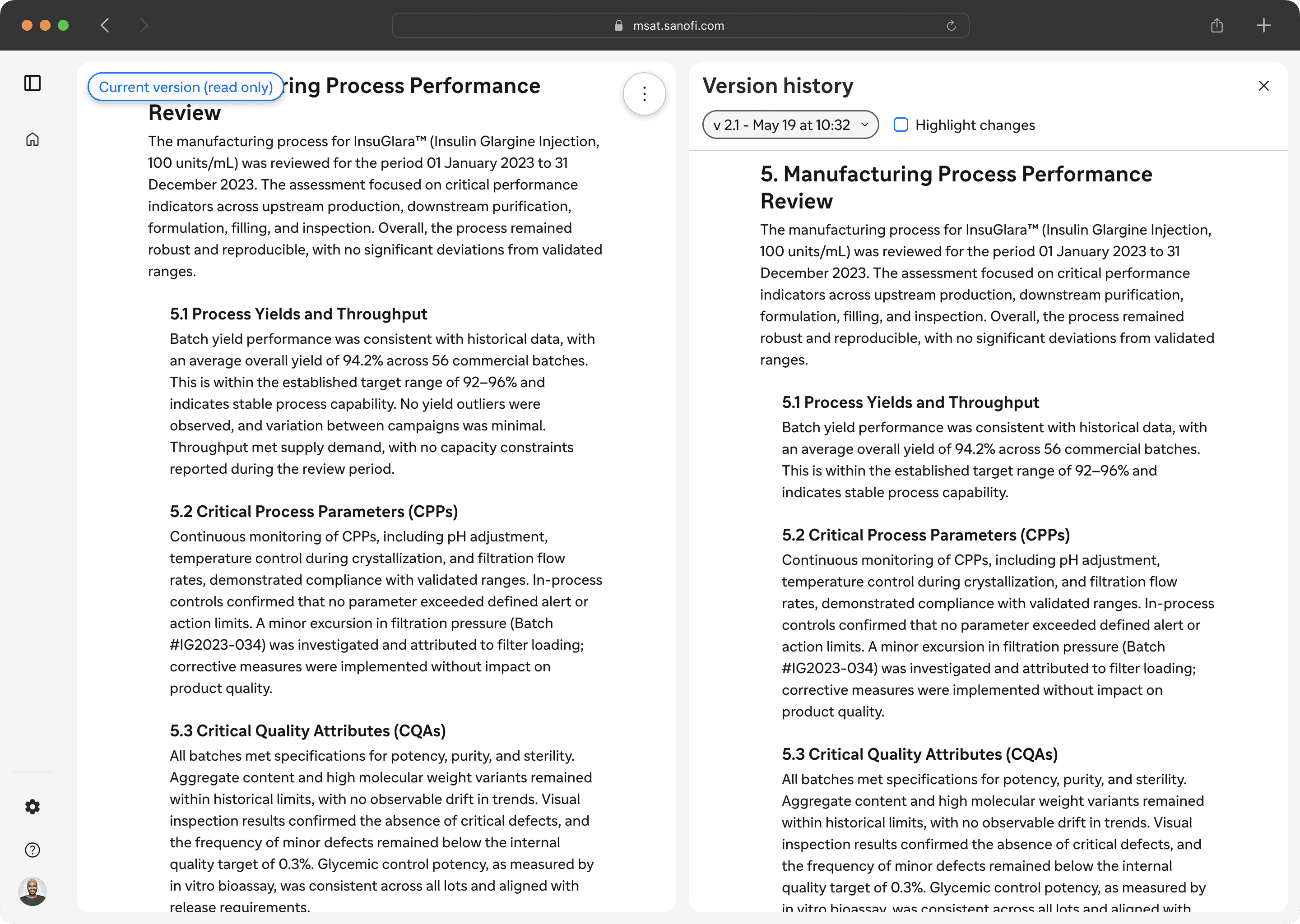
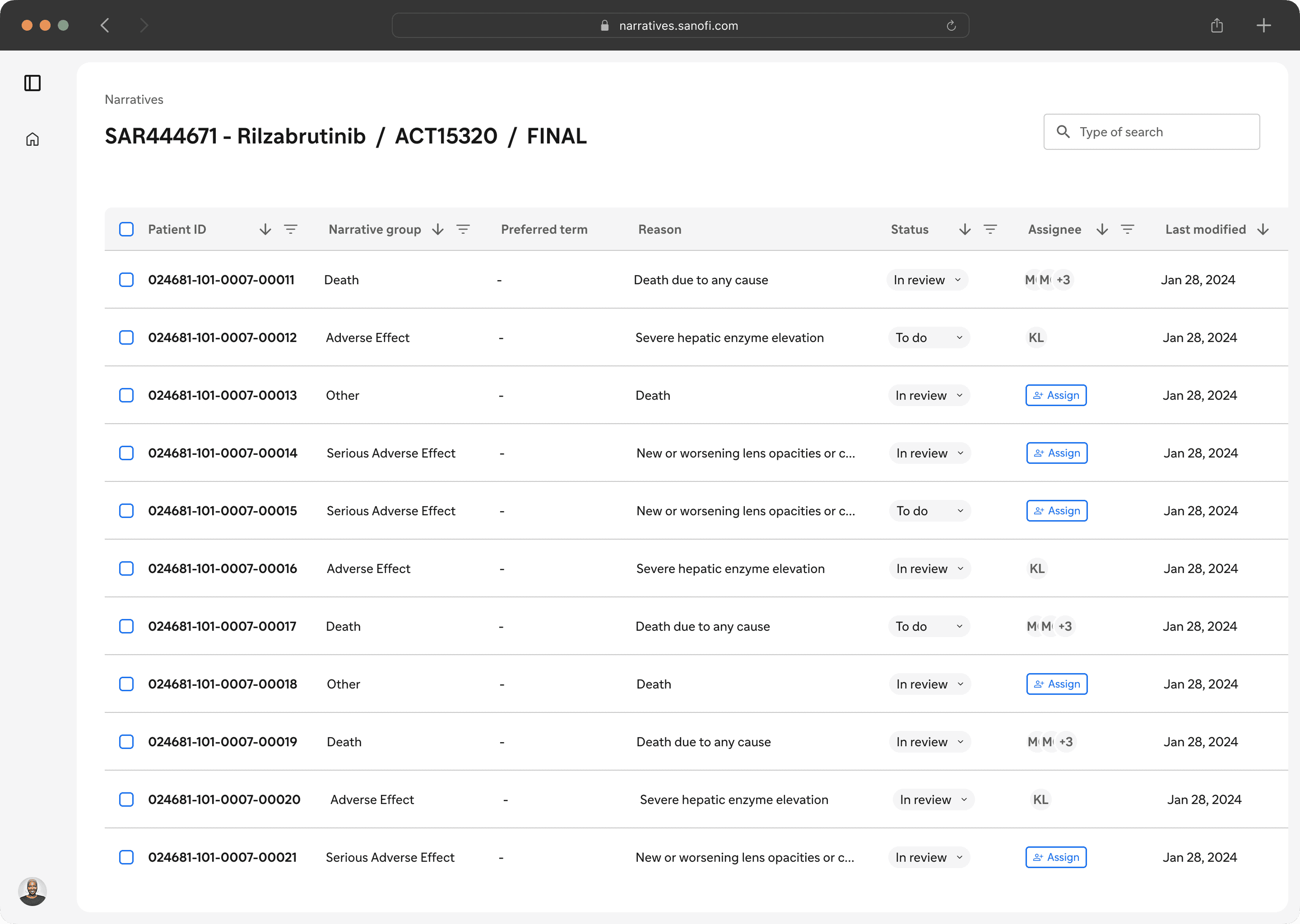
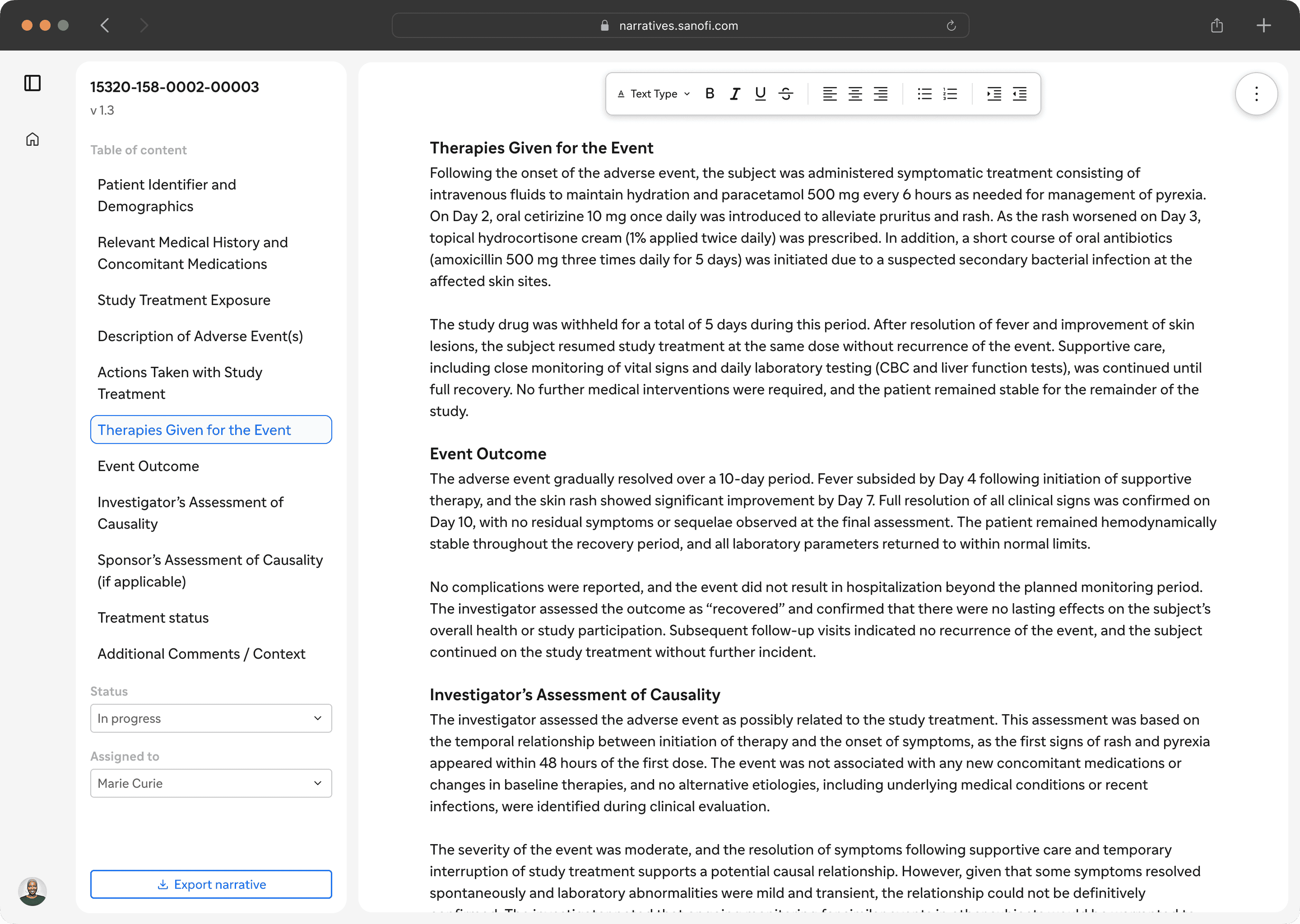
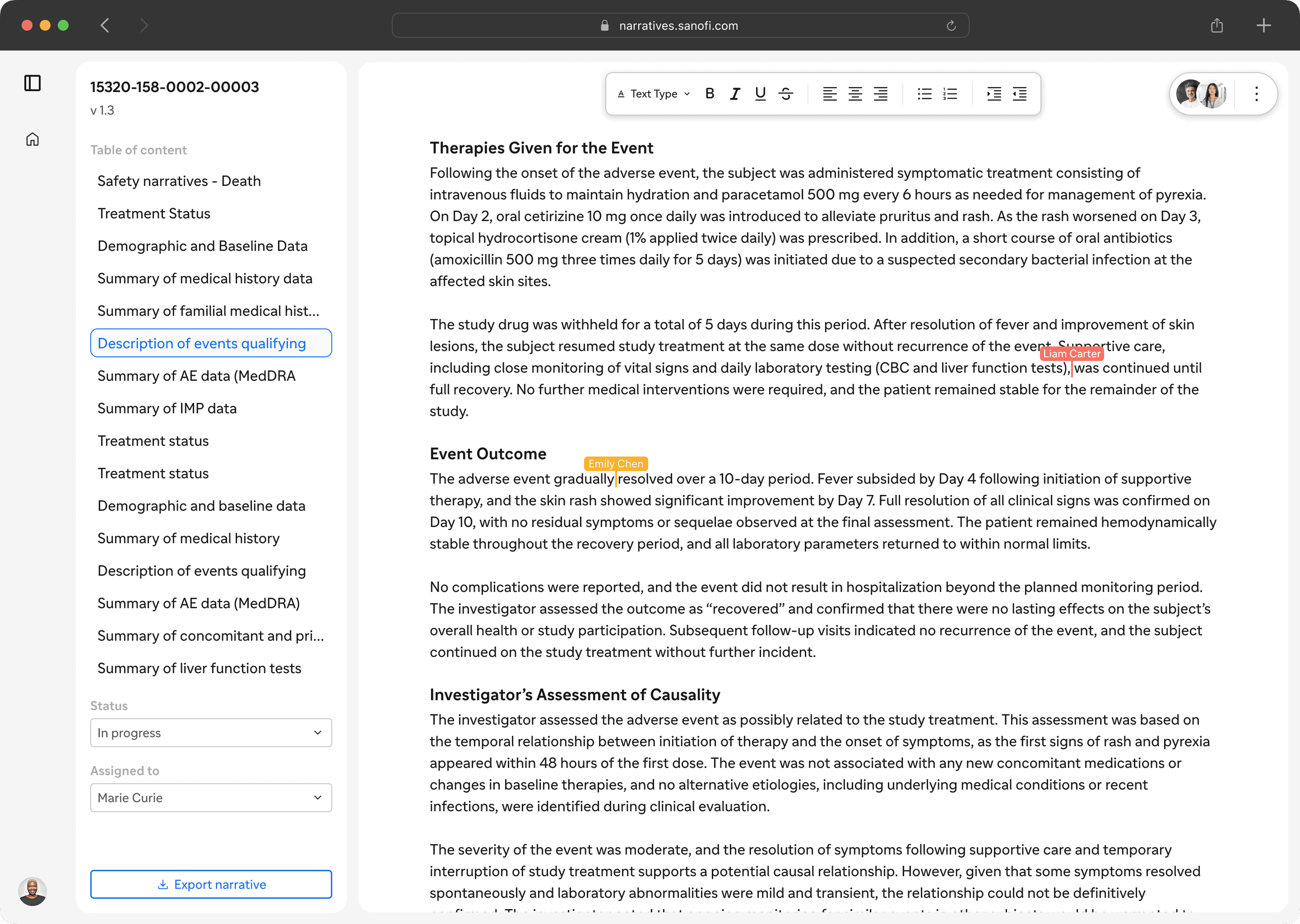
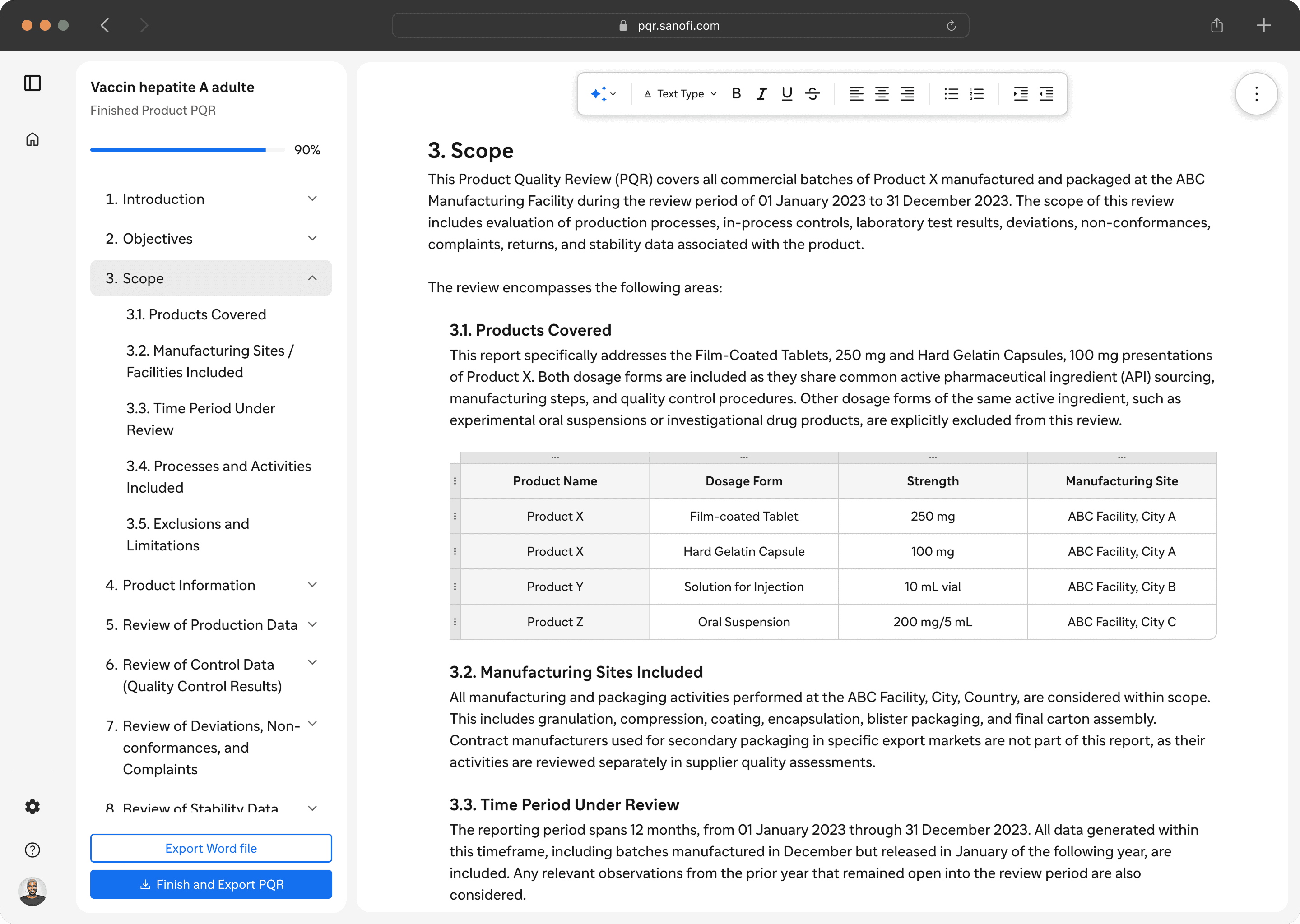
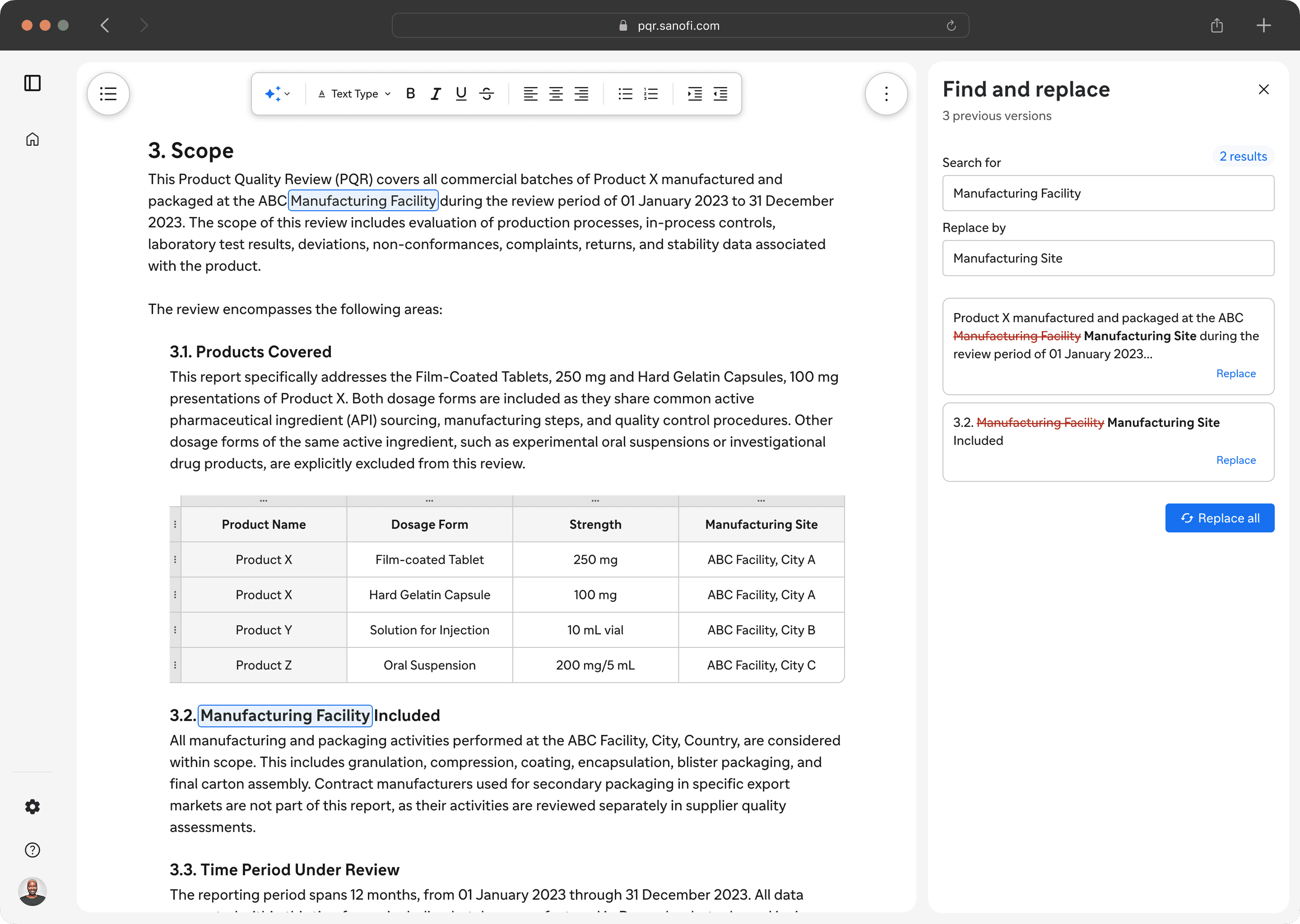
From Marketing to Product-Ready Library
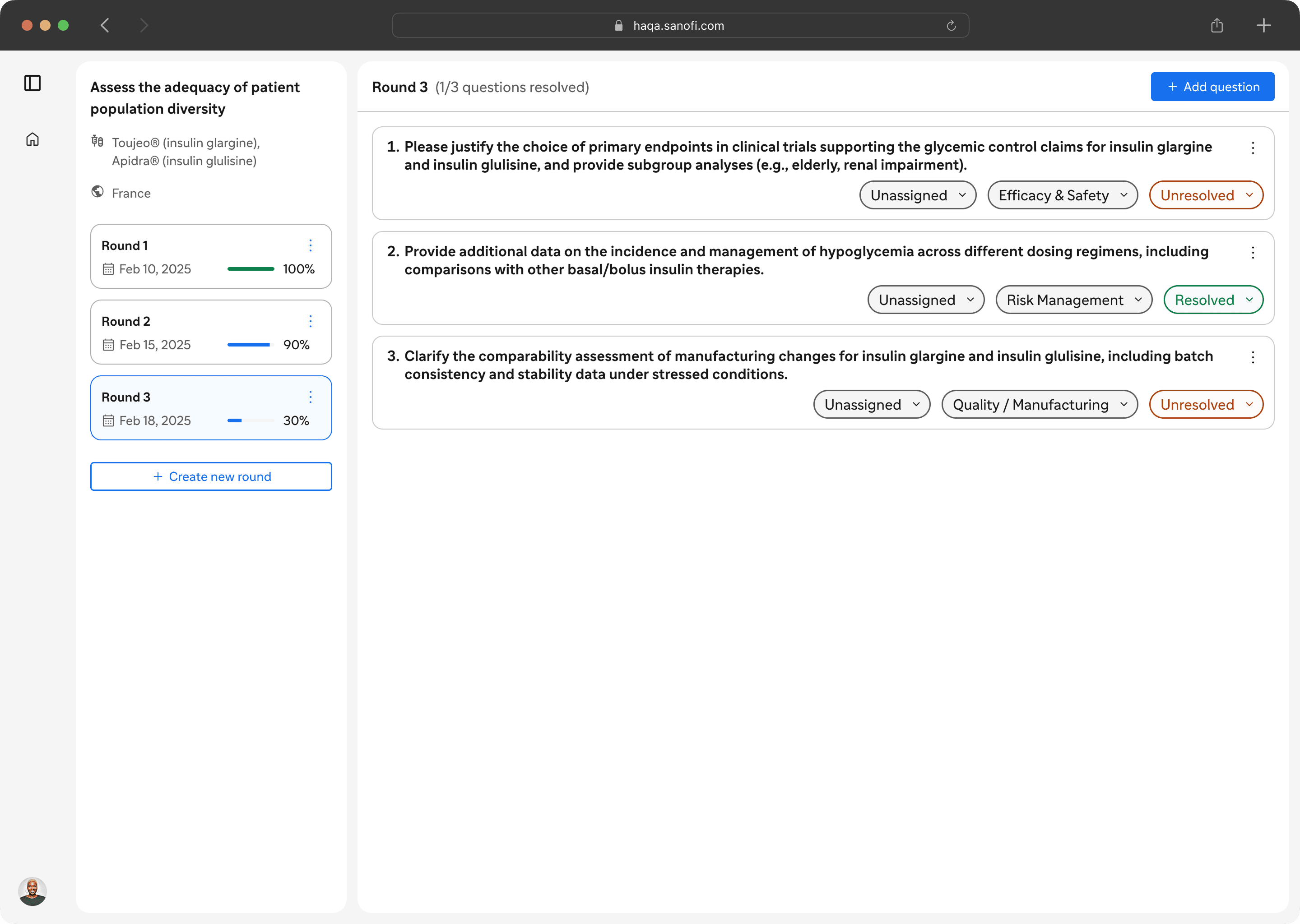
I established regular syncs and feedback sessions as ongoing rituals, ensuring designers across AI initiatives could share input and align on solutions. By collecting each team’s product needs, I helped shape a shared library that reflected real user and business requirements.
This collaborative approach ensured consistency across products while allowing teams to leverage each other’s work. Features and patterns from one project could be adapted for another, reducing duplication and maintaining high-quality design standards.
By guiding the library’s evolution, I helped create a scalable foundation that could grow with new AI initiatives while remaining flexible and relevant.
Project launch result:
46% Faster Document Delivery at Launch
At launch, teams saw dramatic time savings, with document completion sped up by 30% to 80% across different documents.
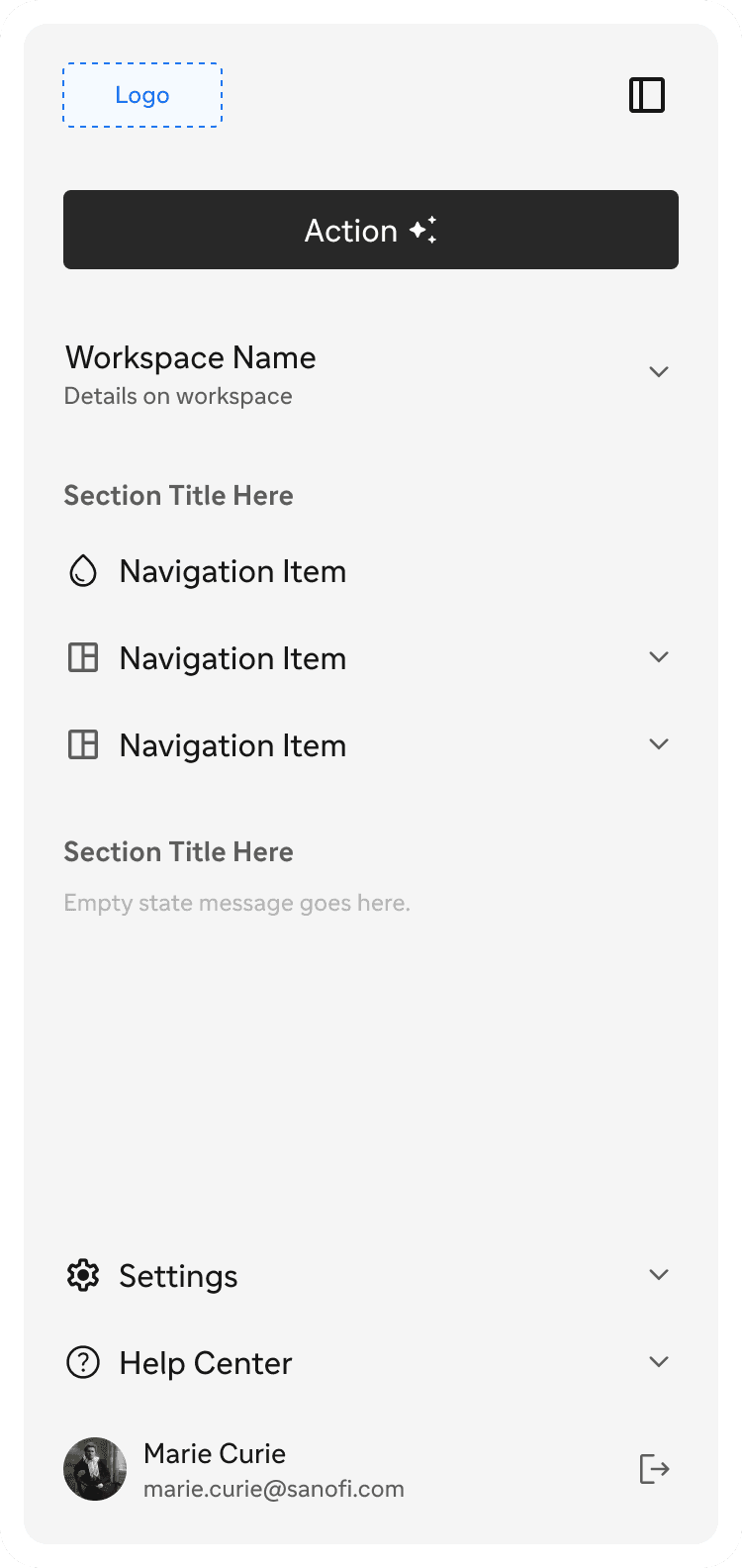
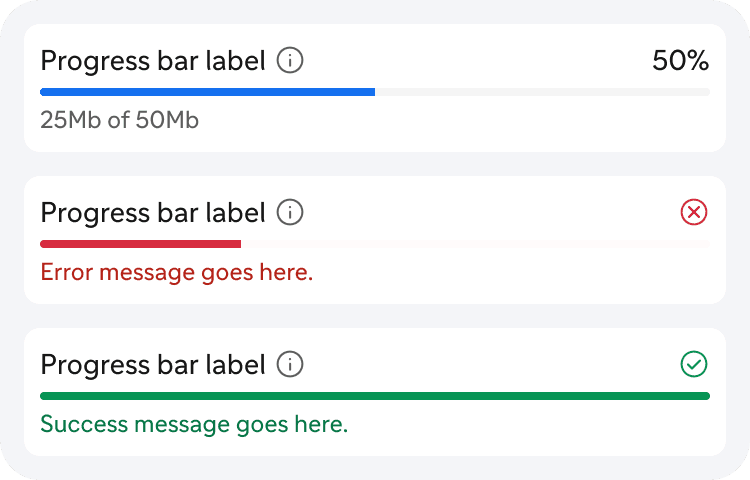
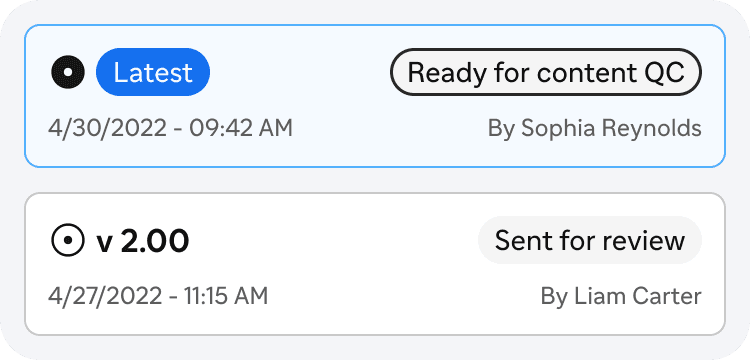
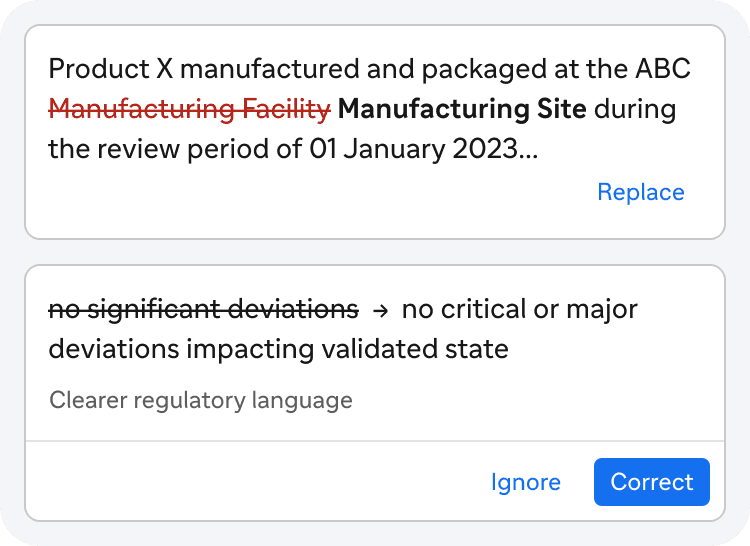
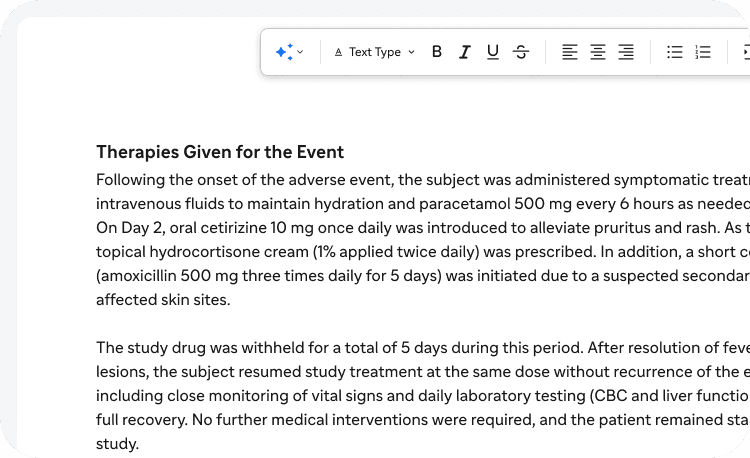
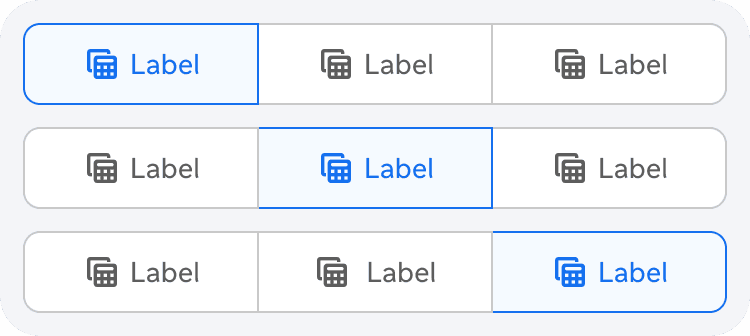
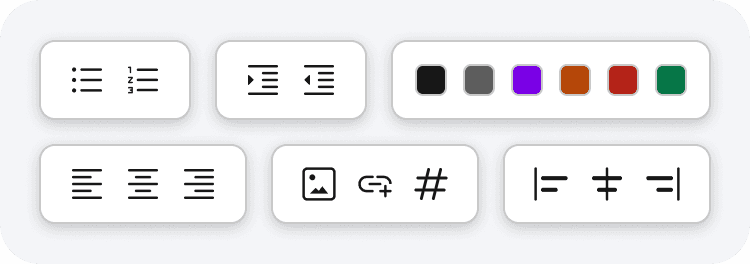
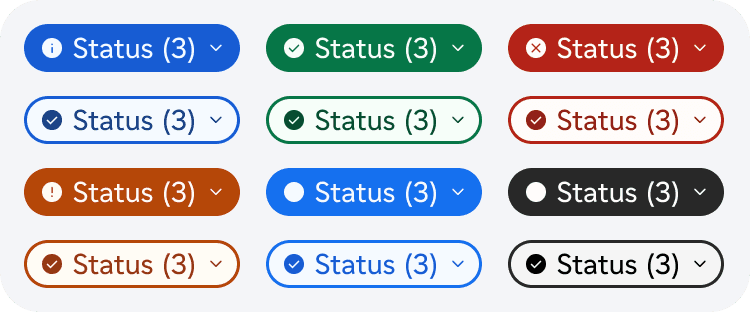
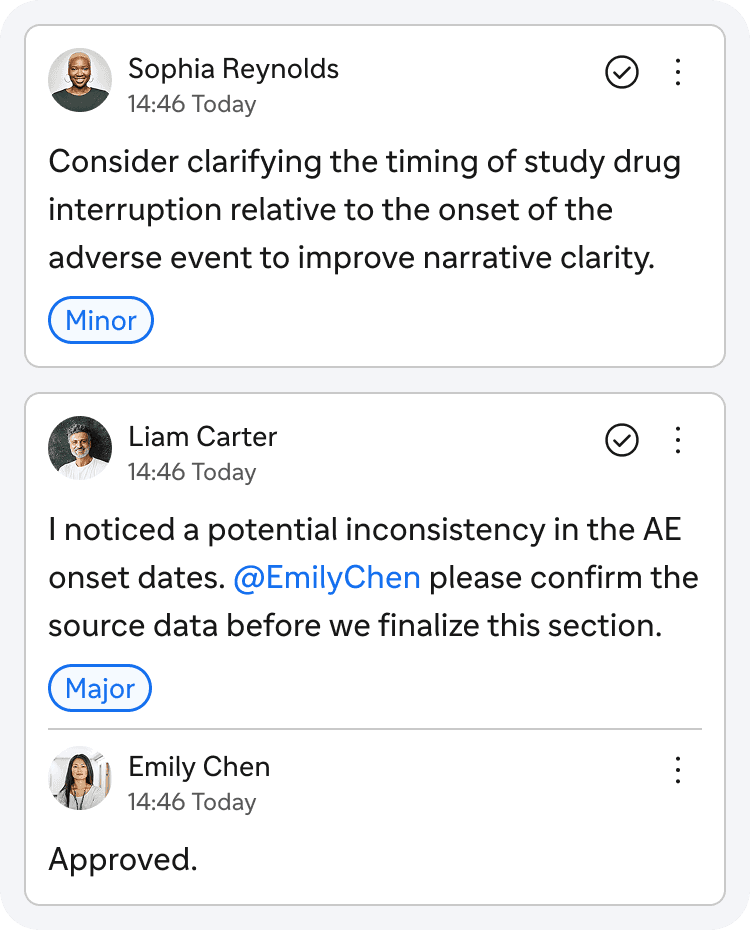
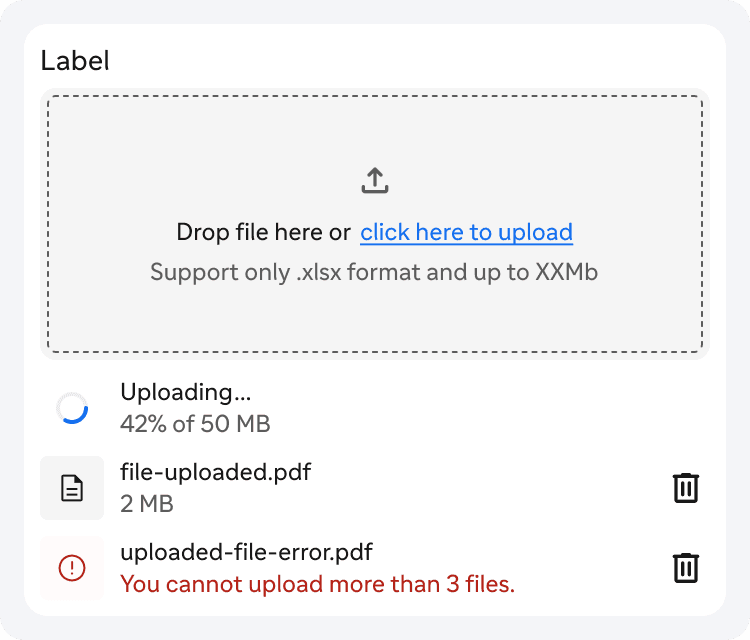
11 ready-made features
Designed for seamless integration across multiple AI products, these features allow teams to quickly plug them in without redesign or redevelopment, speeding delivery while ensuring consistency.
100% Pilot User Adoption
All power users in the pilot phase adopted the tools within the first month. Regular feedback sessions with these users helped refine the products continuously, ensuring the solutions stayed intuitive and closely aligned with real-world needs.
Thanks for visiting
All right reserved © Jon Chambers 2025