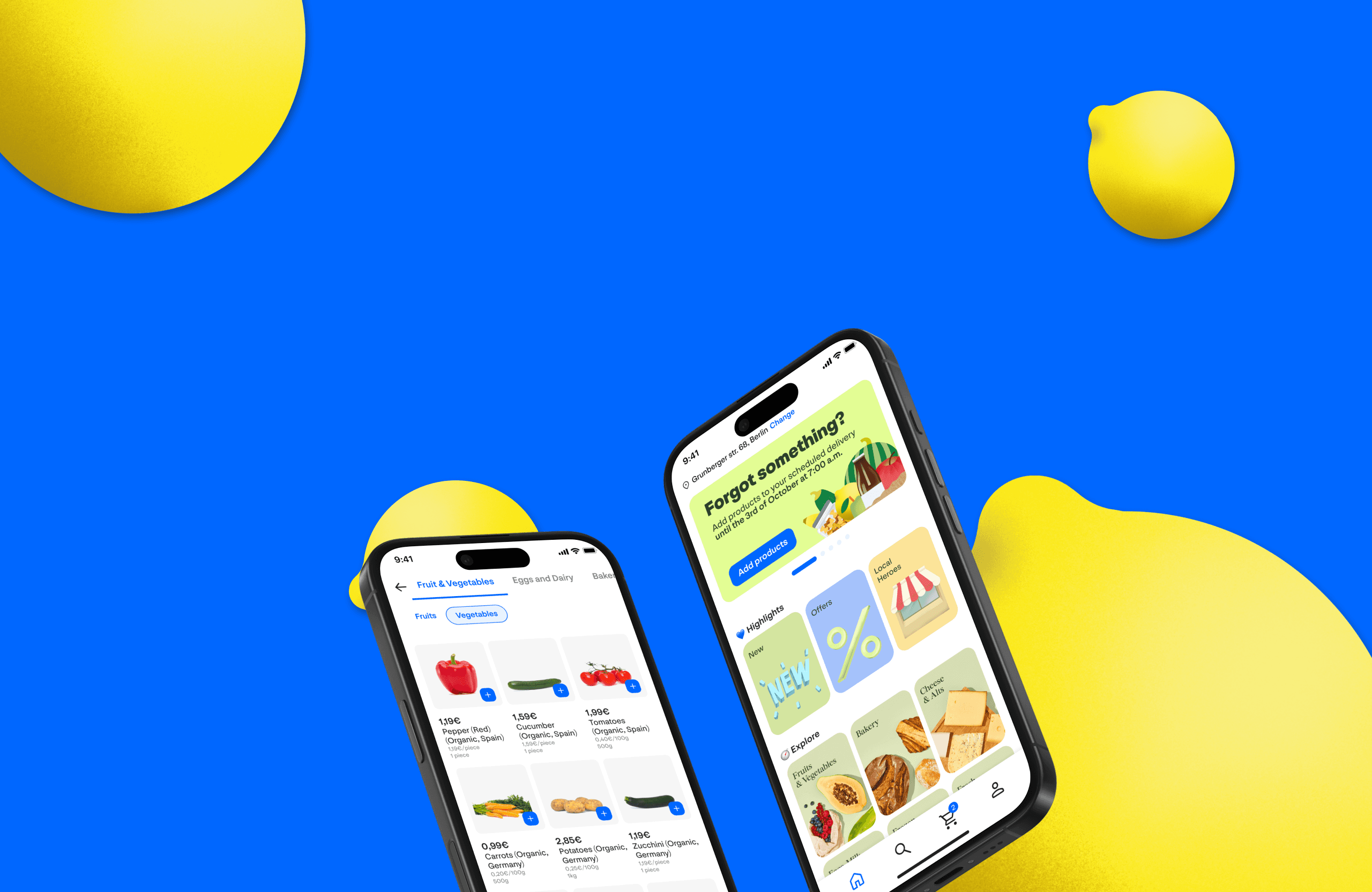
From zero to system: launching Open Orders and a scalable Design System
My role
Lead UX & Product Designer
Timeline
Q4 2022 - Q1 2023
Company stage
Early-stage (pre-series A)
Team
Head of Product (co-founder)
Head of Customer Experience
Product Manager
Product Designer
Small engineering team (4)
tl;dr
Led the creation of the first Design System from the ground up
Designed the end to end "Open order" feature
Built prototypes and conducted usability testing sessions with power users
Kept detailed feature documentation so the team always knew how things should work, catching bugs early, and serving as our go-to internal FAQ.
Context
Alpakas entered the fast grocery delivery space with a sustainability-first MVP. My role was to evolve the product into a scalable, trustworthy experience that could support rapid growth while staying true to its environmental mission.
Problems
Post-MVP feedback revealed two critical issues slowing growth: customers lacked the ability to easily modify orders after checkout, and the app’s visual language was out of sync with the newly rebranded touchpoints. Together, these gaps hurt user satisfaction, operational efficiency, and brand trust.
Lack of flexibility and autonomy
A high volume of support tickets revealed a recurring customer request: the ability to add products to an existing order before delivery. While operationally possible, the app’s MVP lacked this functionality, forcing customers to contact support. This created unnecessary friction, slowed customer care response times, and limited order value growth.
Weak brand identity
After an agency-led rebrand, the app’s visual language no longer aligned with Alpakas’ app, website, or marketing materials. This inconsistency created a fragmented brand experience, weakening perceived professionalism and trust, especially critical for a new player in any competitive market.
Opportunity
How might we empower customers to seamlessly update their orders while creating a consistent, trustworthy brand experience?
Goals
Increase customer autonomy
Giving customers the ability to update their orders after checkout removes unnecessary friction from the shopping experience. Instead of contacting support, users can make quick changes in-app, fostering a sense of control and convenience that builds long-term loyalty.
Boost revenue per order
Allowing post-checkout edits creates natural upsell moments, enabling customers to add forgotten items or take advantage of last-minute promotions. This drives higher average order value while reducing the operational cost of handling these requests manually.
Strengthen brand trust
A unified, consistent visual identity across the app, website, and marketing channels signals professionalism and reliability. For a young brand in a competitive market, this cohesion reassures customers that the business is stable, credible, and worthy of repeat engagement.
Alpakas’ Design System Foundations
To enable fast, consistent, and scalable product growth, I led the creation of Alpakas’ first design system. Starting with a full audit of the existing app, I identified recurring patterns and consolidated them into a flexible library of reusable components. The system was intentionally designed to uphold brand consistency while leaving room for creative problem-solving and user-centered iteration. After validating the “MVP” version across key app pages, I rolled it out to the rest of the product, establishing an evolving framework that accelerated future feature delivery and reduced design debt.
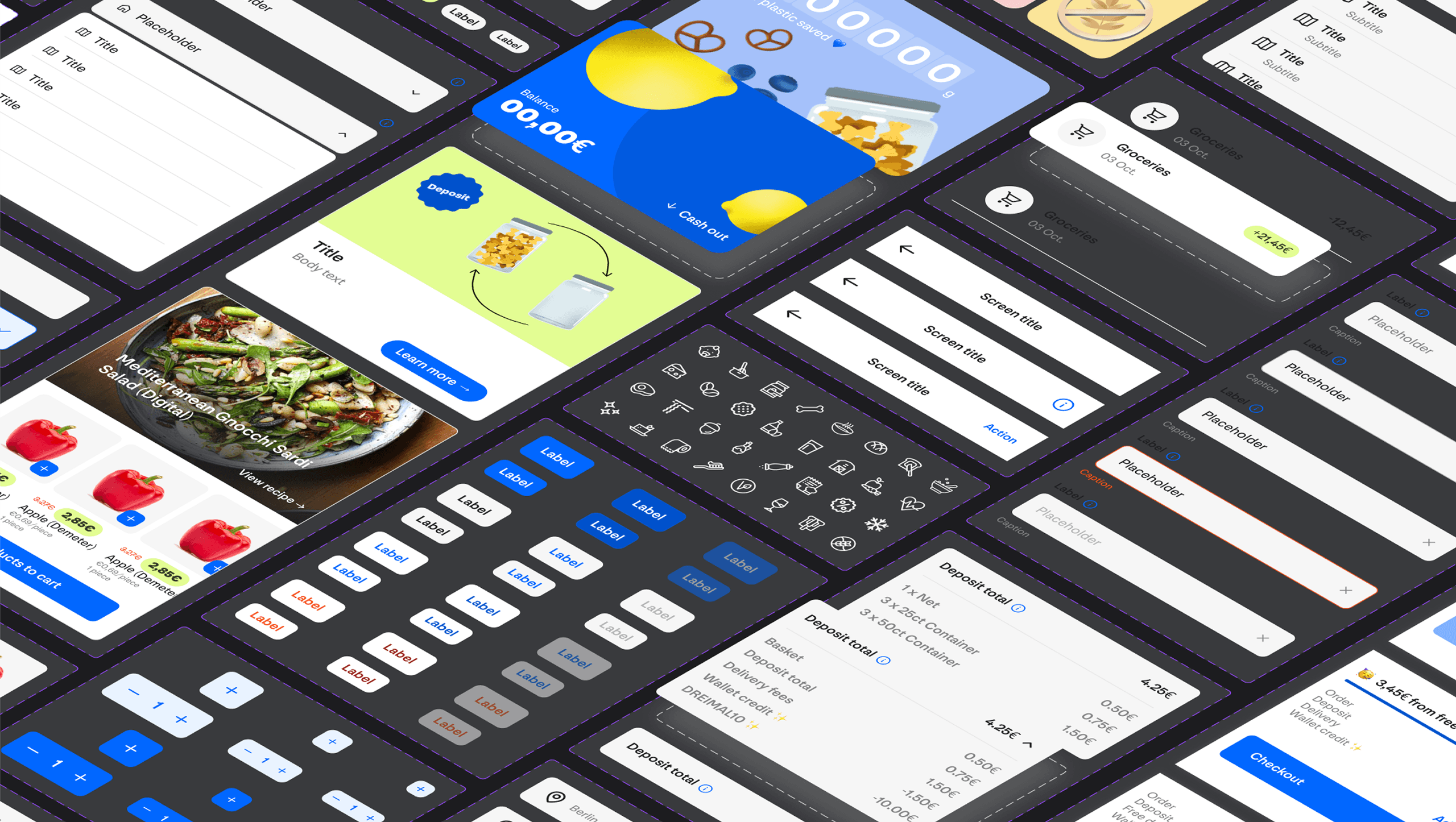
Open orders: a simple, stress-free way to adjust your delivery before it’s too late
Step 1: Framing the Problem Space
By partnering closely with the customer care lead, I identified key user stories that became the foundation for designing the new feature.
Step 2: Mapping the Optimal Journey
I began by mapping the ideal user flow, prioritizing the most common use case to deliver a seamless core experience. This clear foundation allowed me to efficiently layer in solutions for edge cases without compromising the primary flow.

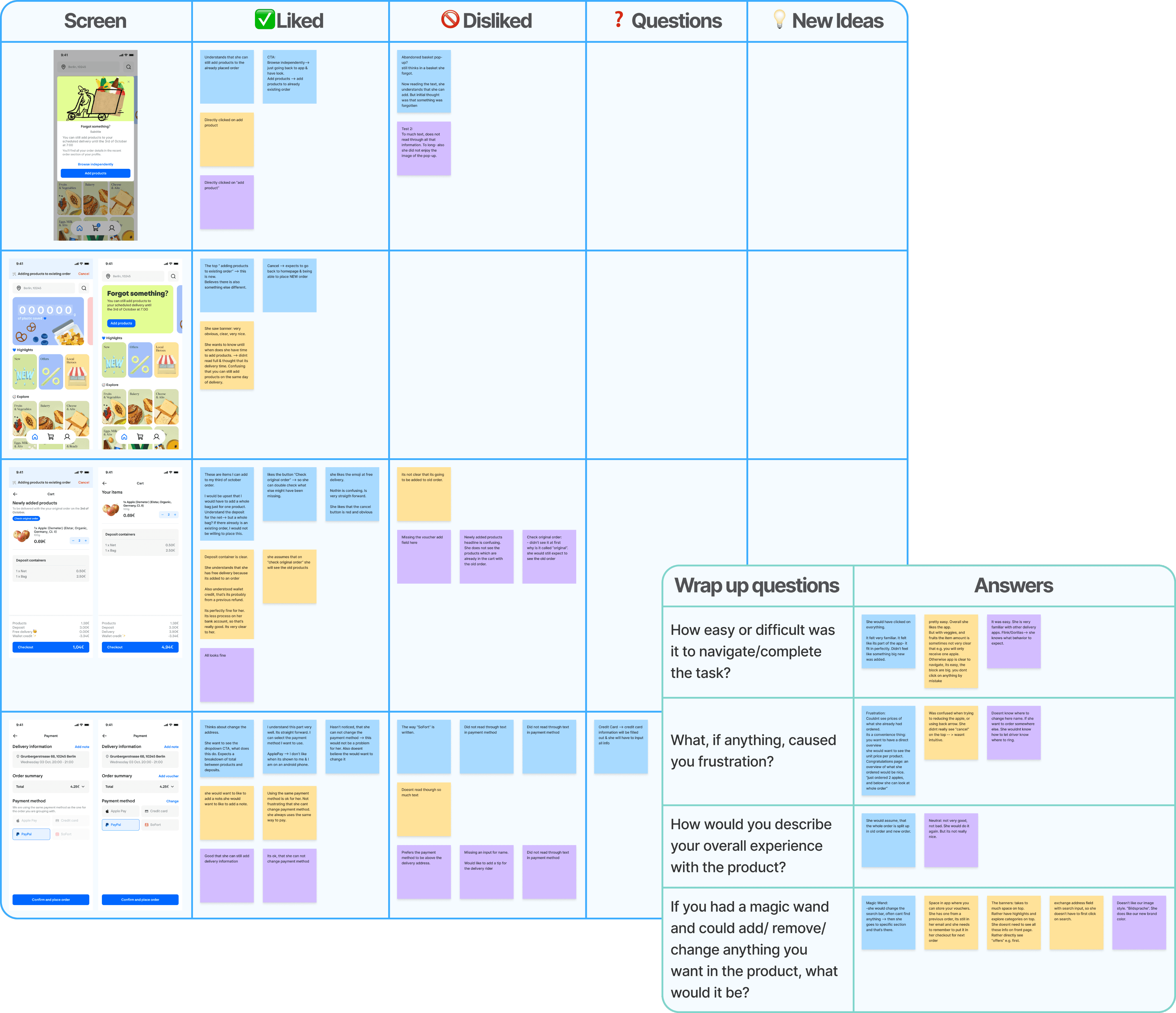
Step 3: Shaping the Solution with Key Users
To establish a strong user-centered culture, I partnered with the customer care lead to identify a group of power users who could actively influence the product’s evolution. While shortlisting this group, I designed the first iteration of feature screens using our newly created design system components, enabling rapid prototyping fully aligned with our brand identity.
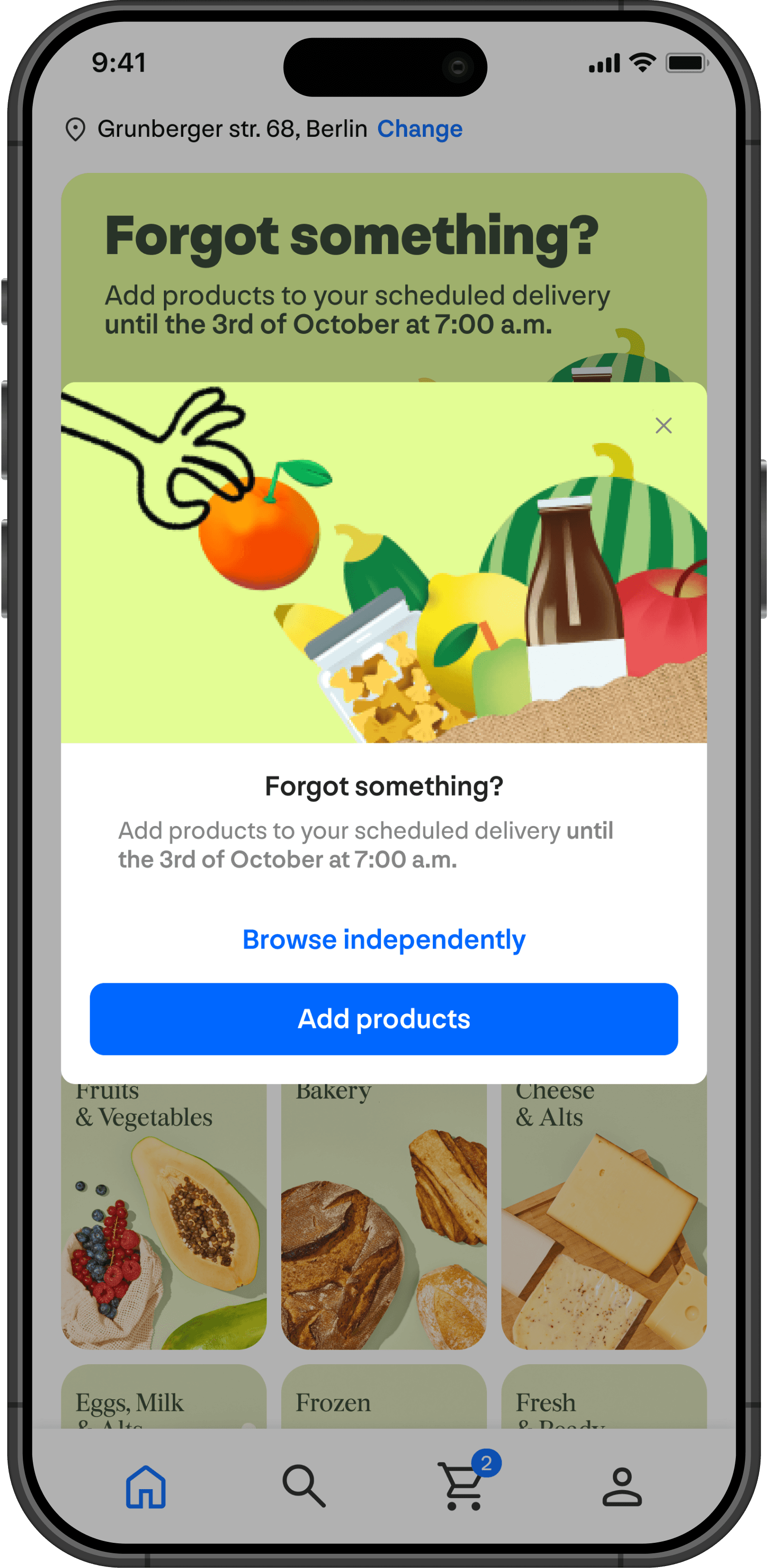
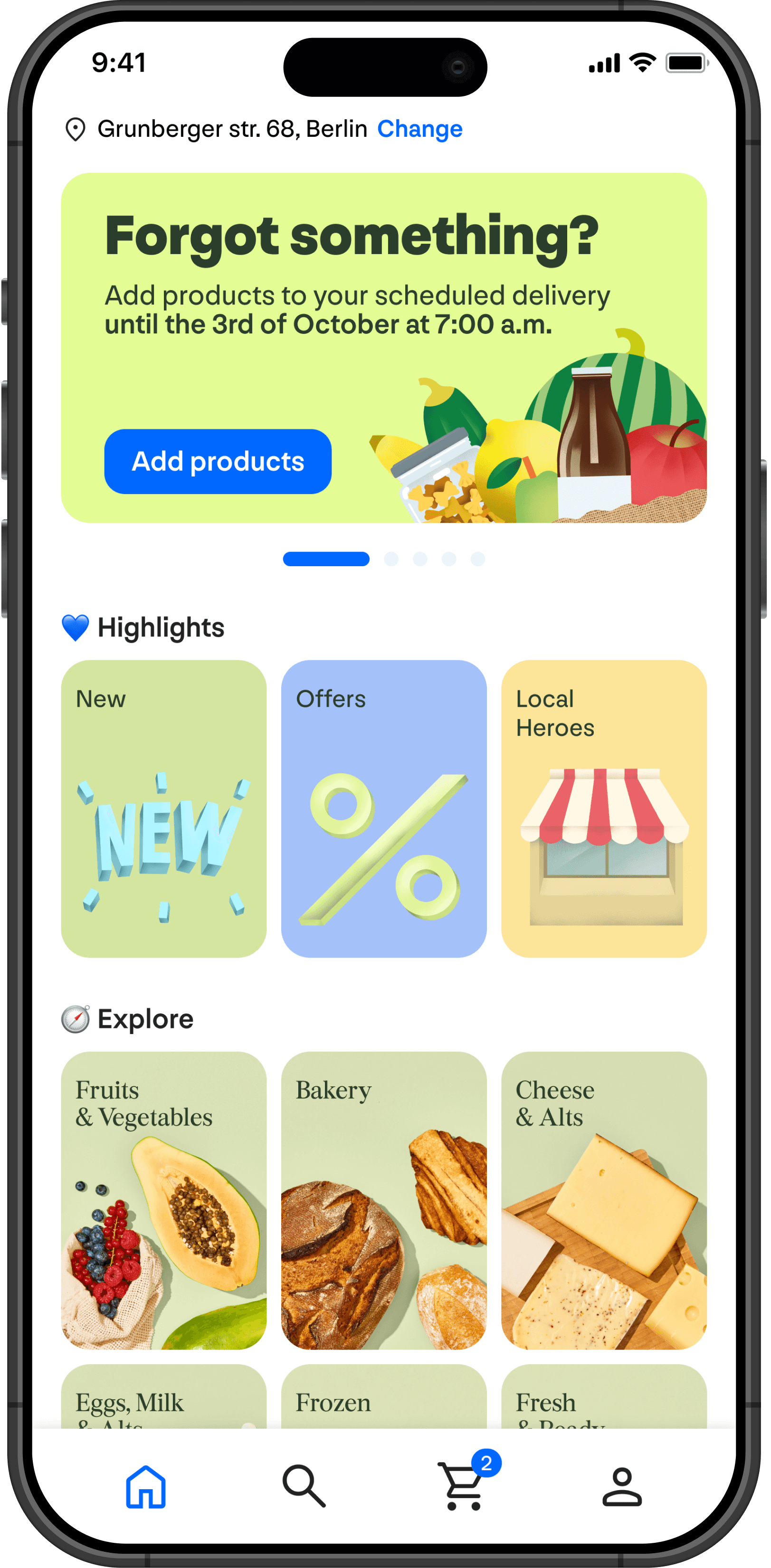
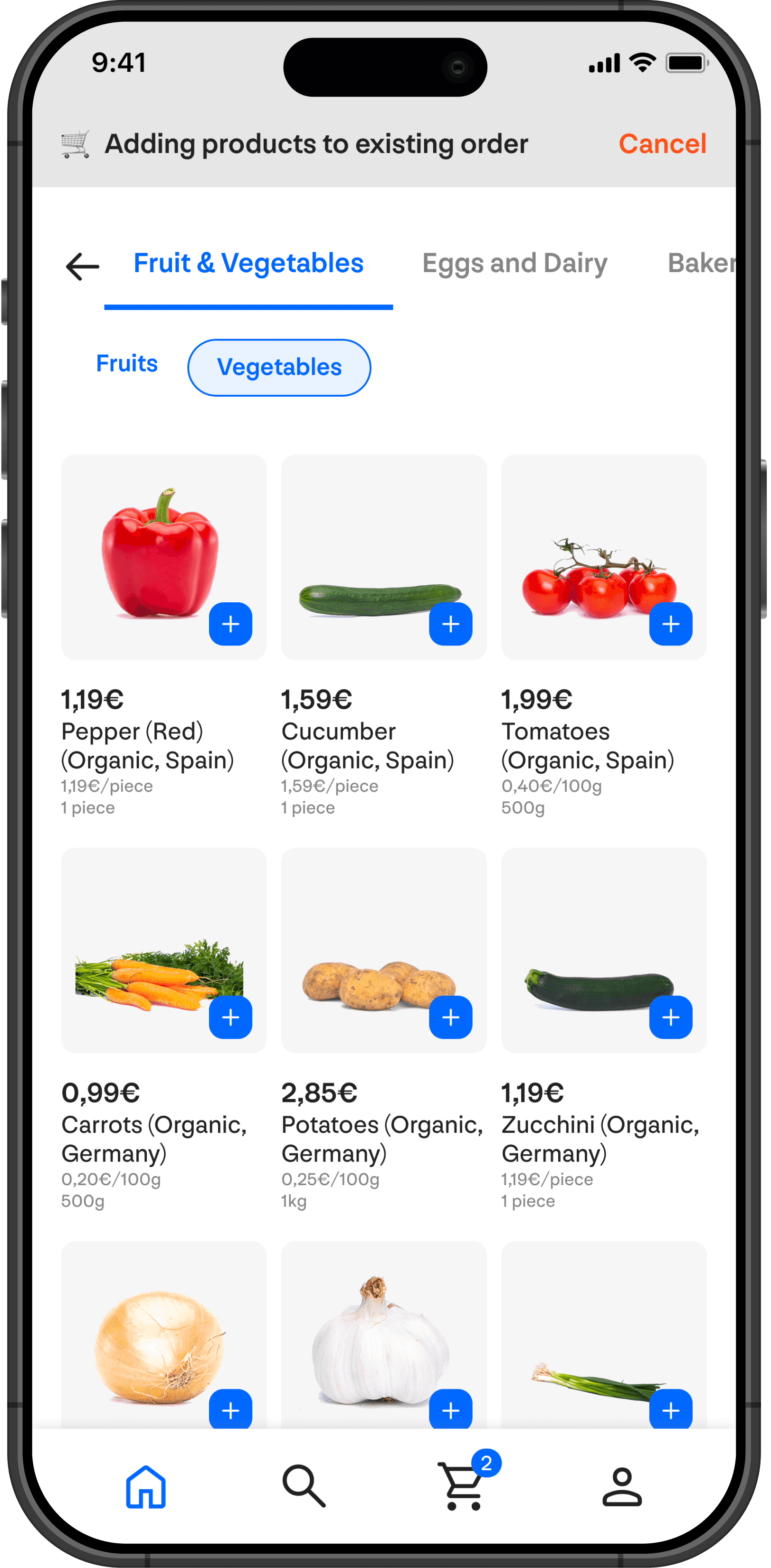
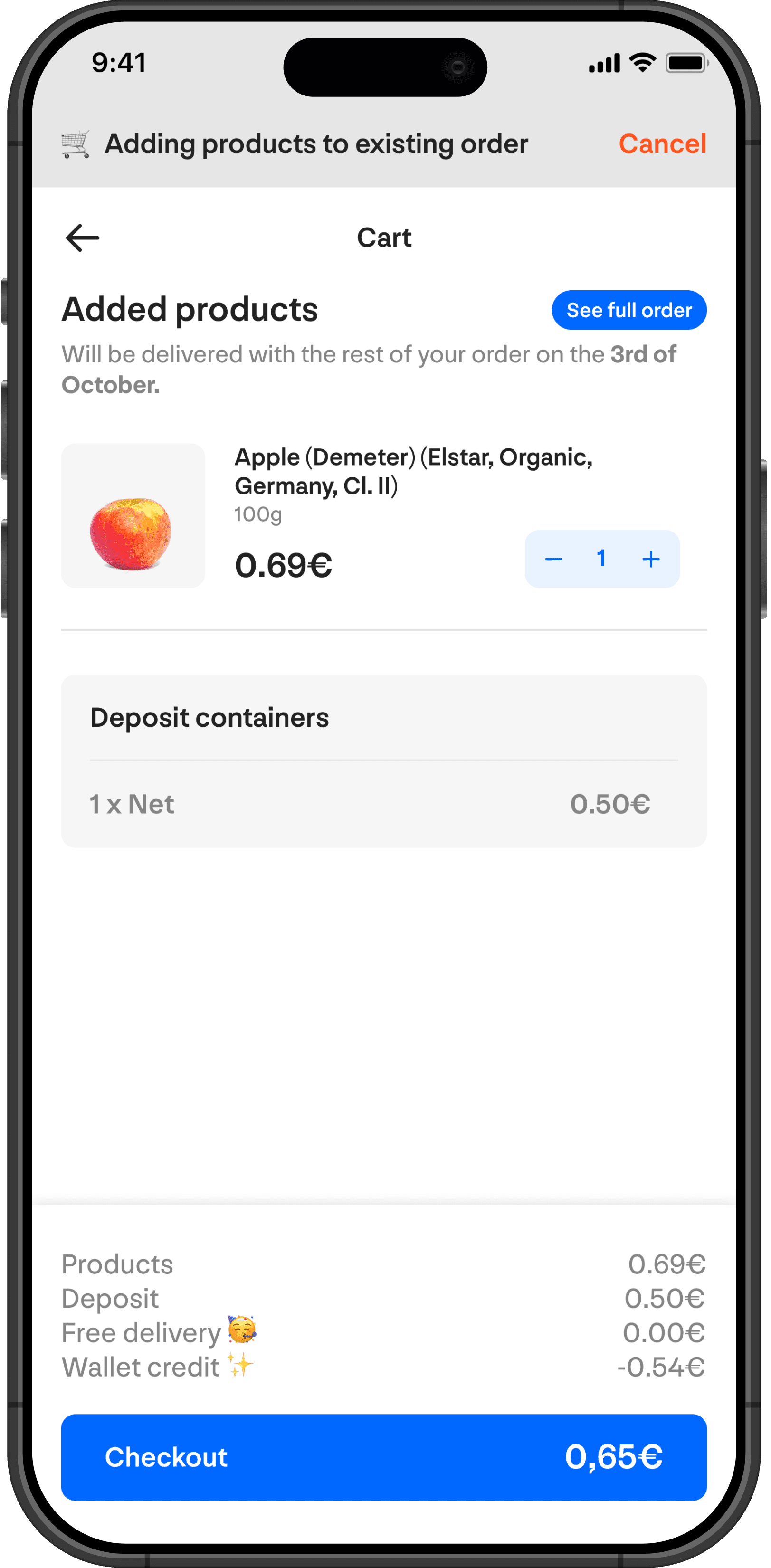
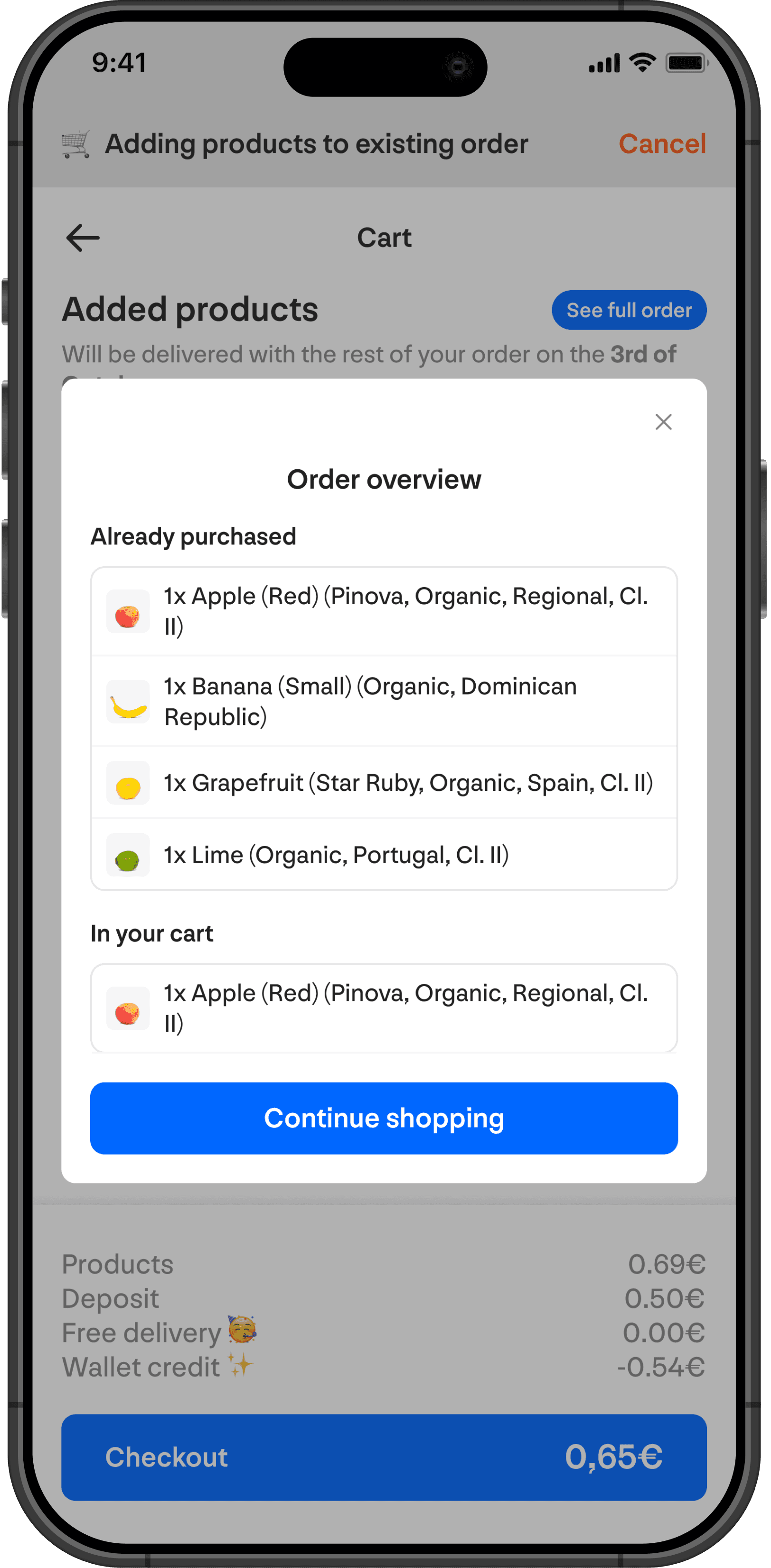
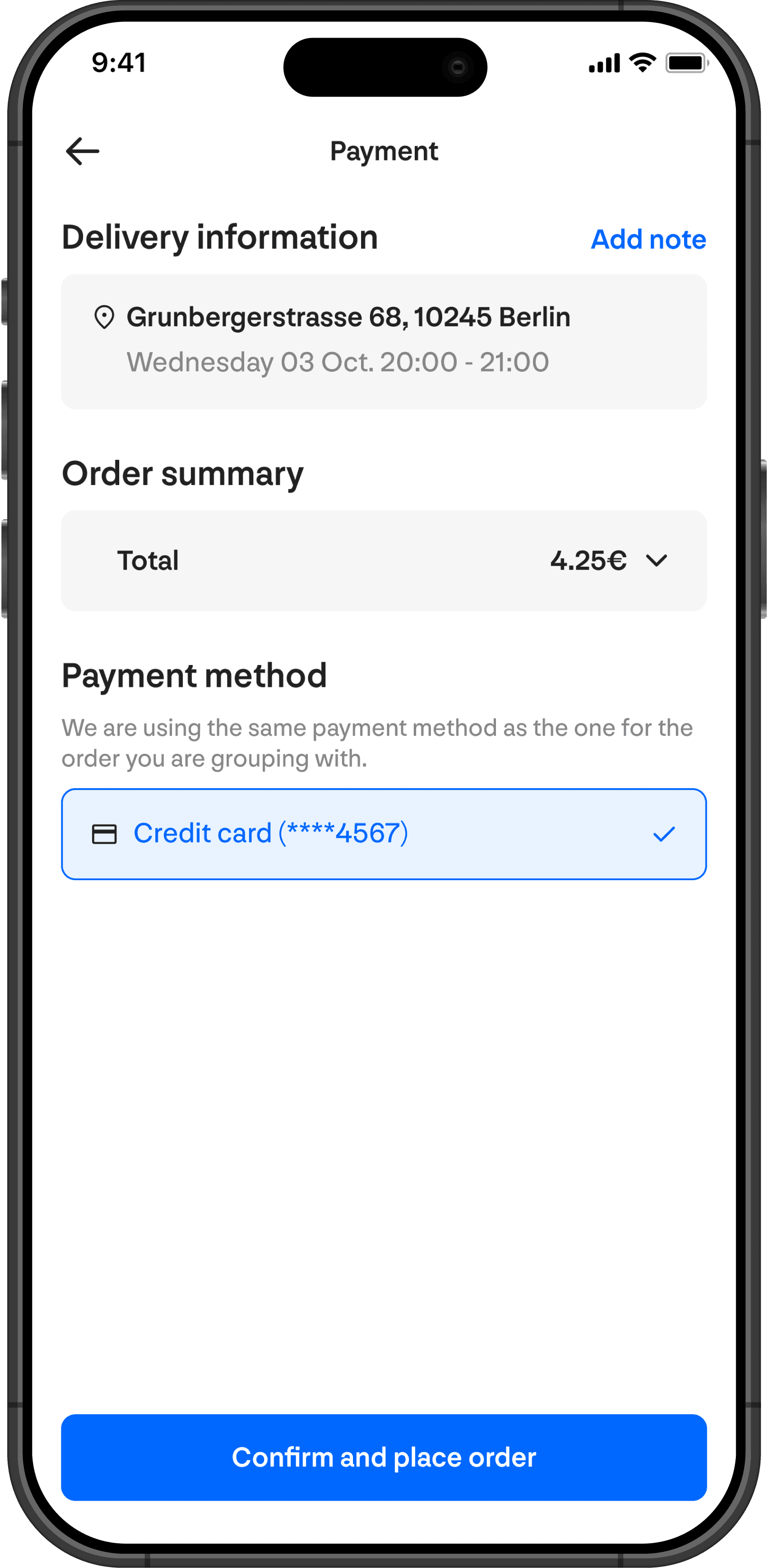
Step 4: Final designs
The final design reflects a synthesis of research, rapid iteration, and cross-team collaboration. It not only solves the immediate user needs but also establishes a robust design foundation capable of evolving with the product and market.
Project launch result:
Faster Feature Delivery
Design systems cut design-to-dev handoff time on average by 25-30%, enabling the team to ship features in days instead of weeks.
Customer Support Load Reduction
Support tickets related to order changes dropped by 40% within the first month, freeing up the customer care team to focus on higher-value requests.
Average Order Value (AOV) Increase
Post-checkout editing drove an 8% increase in average basket size, creating a new low-effort upsell channel.
Thanks for visiting
All right reserved © Jon Chambers 2025